Dental Implant Specialists in Atlanta

Dr. Brett Langston and Dr. Rachel Miro Provide Dental Implants in Atlanta

Dental implants are a permanent solution to missing teeth. One or more missing teeth can cause bone loss and make it challenging for you to chew properly and speak clearly. Brett Langston, DMD and the staff at Dental Implant and Aesthetic Specialists in Brookhaven, Georgia, place implants that replace the tooth root itself, which is the reason an implant stimulates the jawbone and prevents the bone loss that follows a missing tooth.

A dental implant procedure can restore a single tooth, a full mouth, and everything in between. Patients rate our practice 5.0 stars across 27 online reviews. To learn more about dental implants, call the office or request an appointment online.

dentalimplants

Dental Implants Restore Bite Function and Jawbone Health

A dental implant acts as an artificial tooth root. Just like a natural root anchors your tooth into your jawbone, the implant secures a crown, bridge, or denture in place.

A Dental Implant Is Built With a Screw, Connector, and Crown

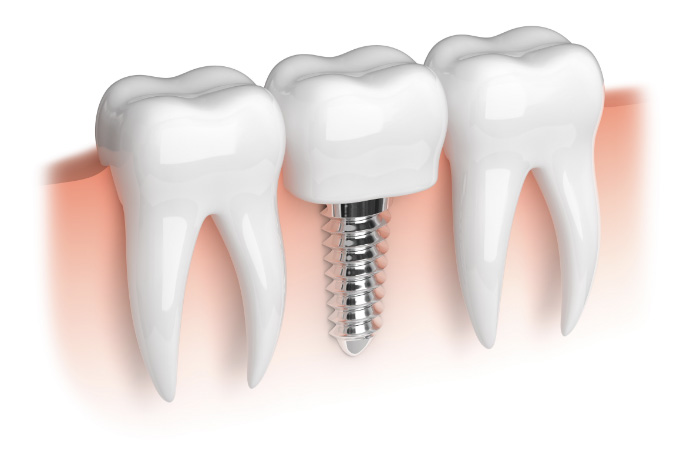
Dental implants are replacement teeth that are permanently fixed in your mouth. Implants have three main parts: a titanium screw, a connector, and a crown.

The titanium screw acts as a replacement for a natural tooth root. It’s surgically implanted into your jawbone, and the bone grows around it to secure it in place.

The connector sits on top of the artificial root and connects it to the crown. Because Dental Implant and Aesthetic Specialists of Atlanta custom-develops every dental implant, the artificial tooth blends in with the color, size, and shape of your other teeth.

Dental Implants Offer Long-Term Advantages Over Other Options

Dental implants offer several advantages that make them the preferred choice for tooth replacement. They are extremely stable and won’t slip like traditional dentures, restoring strong chewing ability that feels almost identical to natural teeth. Custom-designed crowns blend seamlessly with your existing teeth, improving both appearance and function. Perhaps most importantly, implants help maintain jawbone health by stimulating bone tissue, preventing the bone loss that often occurs with missing teeth. With proper care, dental implants can last for decades, and the National Library of Medicine found a success rate of over 97% after 10 years.

Alternatives to Dental Implants

Although implants are considered the gold standard, there are alternatives.

Option Invasiveness Stability Prevents jawbone loss
Dental implant Surgical placement in the jawbone Fixed; will not slip Yes
Traditional bridge No surgery, but often requires reducing otherwise healthy teeth Fixed No
Removable denture Least invasive May slip No
Implant-supported denture Surgical placement of the supporting implants More stable than a conventional denture Yes, at the implant sites

Dental Implant and Aesthetic Specialists Offers Multiple Implant Types

Dental implants are a very flexible option in restorative dentistry. They can be used to restore a single tooth, several teeth, or even a full mouth.

Replacing even one missing tooth improves your oral health and mouth function greatly. However, everyone is different, and Dr. Langston and his team in Atlanta will personalize your implant recommendations for your mouth.

Implants can be useful in supporting or strengthening other oral appliances like bridges, as well as partial and full dentures. For some patients, hybrid dentures, or full-mouth permanent dentures with dental implants, are a good option.

What to Expect During Dental Implant Treatment in Atlanta

Getting a dental implant typically takes a few visits to the office, spread out over a number of months. Your first appointment includes a full oral exam, where Dr. Langston and the team take digital X-rays and discuss your treatment options. If you need a tooth extracted, they will coordinate with our onsite surgical team to have that tooth pulled.

Most of the time, the surgical team can place the dental implant at the same time the tooth is extracted. However, sometimes the implant procedure will require another visit. The oral surgeon, either Dr. Langston or Dr. Miro will make a small incision in your gum to reach your jawbone and drill a hole to insert the implant. After this appointment, you’ll need to wait for your bone and gums to heal before getting the crown attached.

Sedation Options for Dental Implant Surgery in Atlanta

Placing a dental implant is surgery, and there are options that keep you comfortable through it. Dental Implant and Aesthetic Specialists offers sedation for implant patients, whether you are anxious about the procedure, have a sensitive gag reflex, or are having several implants placed in one appointment.

Dr. Miro will go over which option suits your health history and the length of your procedure at your consultation. We offer nitrous oxide, oral sedation, and IV sedation. If you and Dr. Miro choose oral or IV sedation, plan on having someone drive you home afterward.

If dental anxiety has kept you from getting treatment in the past, let us know during your consultation. It’s a common reason people put off implant work, and knowing about it up front changes how we plan your appointment.

Why Osseointegration is Important for Implants

A part of the implant process is something called osseointegration, which is the natural fusion between the jawbone and the titanium implant. This bond creates a solid foundation that allows the implant to function like a real tooth root. Without osseointegration, the implant would not be able to handle the everyday forces of chewing and biting. This process is the key reason implants are so reliable and long-lasting.

Once you’ve healed from the oral surgery, you return to Dr. Langston’s office for your crown fitting. Depending on your treatment plan, you may get a single crown, an implant-supported bridge or dentures, or multiple crowns.

Common Misconceptions About Dental Implants in Atlanta

Many people believe dental implants are only for older patients, but this is not true. Age is less important than overall health and the condition of the jawbone. Another misconception is that bone grafting is always required, when in fact it is only necessary if there has been significant bone loss. Patients also sometimes assume implants are painful, but discomfort after surgery is usually mild and responds to over-the-counter pain relief.

There are Medical and Cosmetic Reasons to Get Dental Implant Replacements

Dental implant replacements refer to removing a failed or problematic dental implant and placing a new one. Dental implants are artificial structures placed in the jawbone to support replacement teeth or bridges. They are considered a long-term solution for tooth loss but can sometimes fail or require replacement due to various reasons:

  • Implant Failure: Dental implants can fail to integrate with the jawbone properly, a process known as osseointegration. This failure can occur soon after the implant surgery or years later and might be due to infection, insufficient bone density, or the patient’s health conditions.
  • Mechanical Problems: Components of the implant, such as the abutment or the crown, can sometimes break or become damaged, necessitating replacement of the part or the entire implant.
  • Infection: Peri-implantitis is an infection that can occur around the implant and the gums, leading to bone loss and the potential failure of the implant. Treatment might require removing the implant, treating the infection, and placing a new implant.
  • Aesthetic Concerns: An implant may need to be replaced for aesthetic reasons, such as improper alignment or dissatisfaction with the appearance.
  • Bone Loss: If there is significant bone loss around an implant, it may become loose and require replacement. In such cases, bone grafting might be necessary before a new implant can be placed.

The Implant Screw Rescue Process at Dental Implant and Aesthetic Specialists

  1. Removal of the Failed Implant: The first step is to carefully remove the failed implant to minimize damage to the surrounding bone.
  2. Evaluation and Treatment of the Site: Once the implant is removed, the dentist evaluates the site for infection or bone loss. Treatment may include bone grafting or infection control.
  3. Healing Period: After the removal and site preparation, a healing period is usually required to allow for bone growth and healing.
  4. Placement of the New Implant: A new dental implant is placed once the site has healed sufficiently.
  5. Restoration: After the new implant has integrated with the bone, it is topped with an abutment and a new crown or bridge.

The success of dental implant replacement depends on various factors, including the reason for the initial failure, the patient’s overall health, and the quality of post-procedural care. Regular dental check-ups and good oral hygiene are crucial for the longevity of the replacement implant.

How We Perform an Implant Screw Rescue

Implant screw rescue addresses issues related to the loosening or fracturing of the screw that holds a dental implant’s components together. Dental implants consist of several parts: the implant post that integrates with the jawbone, the abutment (which connects the implant post to the replacement tooth), and the prosthetic tooth (such as a crown). A small screw typically holds these components together. When this screw becomes loose or breaks, it can compromise the stability and function of the implant, necessitating a rescue procedure.

Our Implant Screw Rescue Process:

  1. Diagnosis: The first step is identifying the issue, which usually involves clinical examination and possibly imaging studies to assess the integrity of the implant and the position of the screw.
  2. Access: The dentist or oral surgeon must carefully access the screw. This often involves removing the prosthetic crown or bridge to reach the screw that connects the abutment to the implant post.
  3. Removal: Using specialized tools, the dentist will attempt to remove the loose or broken screw. This step must be done with great care to avoid damaging the internal threading of the implant or the implant itself.
  4. Evaluation: Once the screw is removed, the dentist evaluates the implant, abutment, and prosthetic components for any damage. They also assess whether the internal threads of the implant are intact.
  5. Replacement: If the threads and components are undamaged, a new screw is typically inserted and tightened to the proper torque specifications. If there is damage to the threads or other components, further corrective procedures may be necessary.
  6. Reassembly: After addressing the screw issue, the abutment and the prosthetic tooth are reattached securely, ensuring that the implant’s functionality and aesthetics are restored.
  7. Follow-Up: Regular follow-up appointments are crucial to monitor the stability of the implant and the integrity of the new screw placement.

Implant screw rescue procedures are vital for maintaining the longevity and functionality of dental implants. They address immediate problems while helping prevent potential complications, such as implant failure or infection. Given the complexity and precision required for such procedures, they should be performed by experienced dental professionals specializing in implant dentistry.

What is the Cost for Dental Implants in Atlanta?

The cost of a dental implant depends on how many teeth are being replaced, whether bone grafting is needed first, and what type of restoration sits on top of the implant. Dr. Langston will go over your options and what they cost before any work begins.

Dental insurance treats implants differently than it treats fillings and crowns, and coverage varies between plans. Dental Implant and Aesthetic Specialists’s front desk will verify your benefits before you commit to treatment.

Dental Implants Frequently Asked Questions

Am I too old for dental implants?

No. As long as you are in good health and have enough bone to support the implant, age is not a limiting factor.

Will my implant look natural?

Yes. Each implant is restored with a crown, bridge, or denture that is custom-made to match the color, size, and shape of your natural teeth, making it virtually indistinguishable.

What happens if I don’t replace a missing tooth?

Leaving a gap can cause nearby teeth to shift, which may affect your bite and lead to further oral health issues. It can also result in jawbone loss, difficulty chewing, and even changes in your facial appearance over time.

How do implants compare to dentures or bridges?

Unlike dentures, implants are fixed and do not slip when you eat or speak. Unlike bridges, they do not require filing down adjacent teeth for support. This makes implants the most stable and conservative option available.

Schedule a Dental Implant Appointment in Atlanta

For the best in dental implants and restorative dentistry, visit Dental Implant and Aesthetic Specialists. Call our office in Brookhaven, GA at (404) 321-4588 to schedule an appointment!

en_USEnglish